


A birthday gift has two jobs: to look lovely on the day, and to still be lovely a week later. Flowers and plants take very different routes to that second job. A bouquet makes an entrance — scent, colour, immediate drama — then bows out, usually within a fortnight. A potted plant arrives more quietly and, if it lands with the right person, can still be sitting on the windowsill when the next birthday comes round. Neither is automatically the better choice. What matters is the recipient, their home, and how much looking after they will honestly do.
How Long Does Each One Actually Last?
Fresh cut flowers are a perishable product, and their vase life varies enormously by variety and by how they were handled before they reached you. Many bouquets manage five to ten days. Carnations, chrysanthemums, alstroemeria and lilies often push past a fortnight, while tulips, ranunculus and delicate spring blooms can fade in under a week. How they were stored and transported matters as much as the flower itself — a bouquet that has spent three days in a van is already halfway through its life.
A potted plant plays a longer game, but it isn't guaranteed either. A cyclamen bought in winter may flower beautifully and then rest; a supermarket orchid might last months on a windowsill or sulk within a fortnight. On the other hand, a rubber plant, snake plant or spider plant can comfortably outlive the occasion by years or decades, given reasonable light and a sensible watering routine. The honest answer to "which lasts longer?" is that flowers last a predictable short time and plants last an unpredictable long one.
Fresh Flowers: Short, Glorious and Easy to Get Right
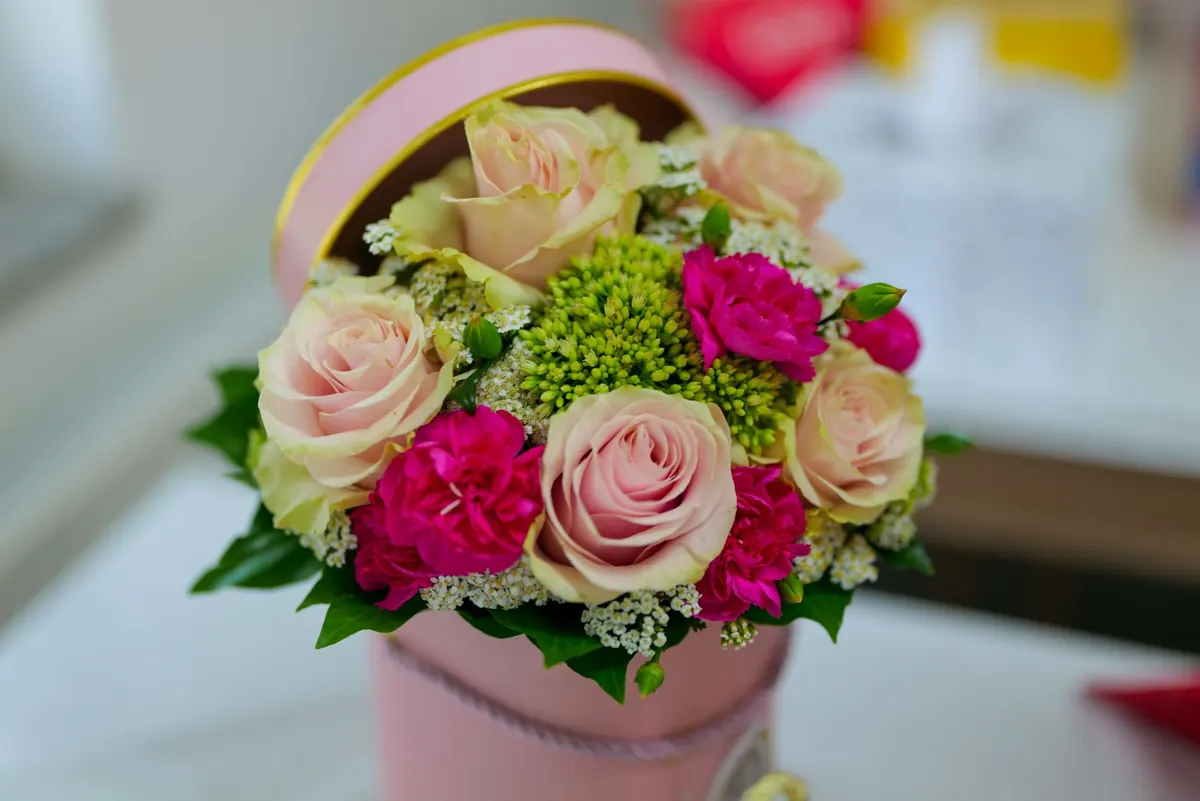
Cut flowers suit people who want the pleasure without the responsibility. There's no repotting, no checking the compost, no finding a brighter spot. The recipient enjoys them, then composts them, and the house is tidier than before. Bouquets also work in places where a plant wouldn't: a rented room with no decent light, a desk with no windowsill, a home that's about to be packed up for a move.
They're forgiving from the giver's side too. You can choose by colour, by scent, by season, or by whatever the local florist has looking best that morning. If you want the arrangement to last as long as possible, pass on these few instructions — or better, do the first bit yourself before handing them over:
- Trim the stems. Cut two to three centimetres off at an angle with a sharp knife or scissors so the stems can drink properly.
- Use the flower food. The little sachet is not a gimmick; it feeds the blooms and slows bacterial growth in the water.
- Change the water every two days and re-trim the stems each time.
- Strip any leaves below the waterline so nothing sits in the vase and rots.
- Keep them away from radiators, direct sun and the fruit bowl. Ripening fruit releases ethylene, which ages flowers faster.
One practical note: if the birthday is being spent in hospital, check the ward's policy before ordering. Many restrict flowers, and it's better to know before the delivery arrives.
Potted Plants: The Long Game, With Conditions
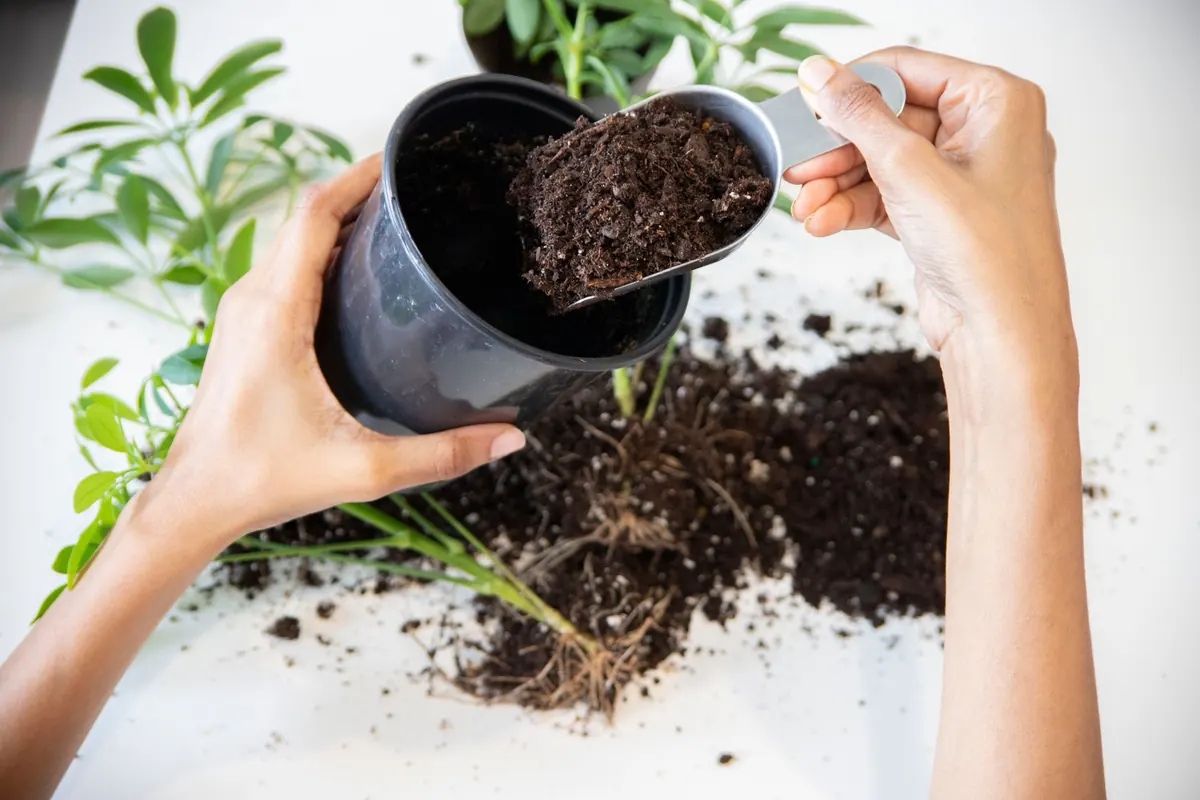
A plant is a living gift, which is precisely the appeal and precisely the risk. It can flower again next year, grow into something substantial, or be divided and shared. It also asks for something in return, and the most common way people kill a houseplant is by watering it too often. Roots need air as well as moisture, and permanently soggy compost suffocates them.
Most indoor plants would rather be slightly dry than constantly damp. Push a finger a couple of centimetres into the compost before watering — if it feels moist, wait. If the plant arrived in a decorative outer pot with no drainage holes, tip out any water that collects in the bottom after watering, or the roots will sit in it. Light matters just as much: a plant sold as "low light" still needs some daylight, and very few enjoy a dark hallway.
Care and Commitment, Compared
- Time to enjoy: flowers, roughly a week or two. Plants, potentially years.
- Effort needed: flowers, trimming and fresh water every couple of days. Plants, watering when the compost dries, occasional feeding in spring and summer, repotting every year or two.
- How they fail: flowers simply age. Plants are usually overwatered, or placed somewhere too dark.
- If it goes wrong: dead flowers go in the bin without guilt. A dead plant can feel like a small failure, which is worth remembering when choosing for someone who is hard on themselves.
- Best for: flowers suit anyone who wants beauty without upkeep. Plants suit anyone who enjoys tending things.
Matching the Gift to the Recipient
Someone who travels, works long hours or is rarely home
Flowers. A plant that goes unwatered for three weeks will not forgive them. If you'd still like to give something lasting, a snake plant, a ZZ plant or a small cactus will tolerate neglect far better than most.
A new home or first flat
A potted plant feels like a housewarming as well as a birthday gift, especially something with presence — a monstera, a rubber plant, a large peace lily. It fills a corner that otherwise looks bare, and it doesn't need a vase.
Someone who loves scent and colour
Go with flowers, and buy in season. British-grown blooms in summer, or a scented bouquet of lilies, stocks or freesias, will do more than any potted plant in a plastic sleeve. Add a note about which stems to keep and which to pull out as they fade.
Households with pets or small children
Check before you buy. Lilies are seriously toxic to cats, and a few other common plants and cut flowers are risky around pets and toddlers. Ask your florist for a pet-safe bouquet, or choose something like roses, sunflowers or gerberas and keep them out of reach. When in doubt, ask a vet rather than guessing.
Older recipients or anyone in a care setting
Small, light and easy to manage wins over big and heavy. A compact potted plant at eye level, or a modest bouquet that fits a side table, is kinder than a huge arrangement that needs a bucket and a sharp knife.
A Simple Rule for Birthday Gifting
Ask yourself one question: does this person enjoy looking after things? If yes, a potted plant is the more generous gift — it lasts longer and it grows with them. If no, flowers are the kinder choice, because there's nothing to keep alive. If you genuinely can't decide, send flowers for the day itself and add a small, hard-to-kill plant alongside them. One gives the birthday its moment; the other gives them something to water in the morning. And if you're buying for someone whose health or circumstances you're unsure about, a quick word with the florist or the care setting will usually settle it.
Photo: Vladimir Srajber / Pexels